Insert inside an installation
For a separating element installed inside the process. Check the cross-section, mounting and access for cleaning.
Magnetic rodsSelection for this application

Magnetic separation — full range for industrial installations
Capturing ferrous contamination in production lines, chutes and tanks.
Start with how the material moves through the process. Dimensions or a gauss value alone cannot establish separation performance.
For a separating element installed inside the process. Check the cross-section, mounting and access for cleaning.
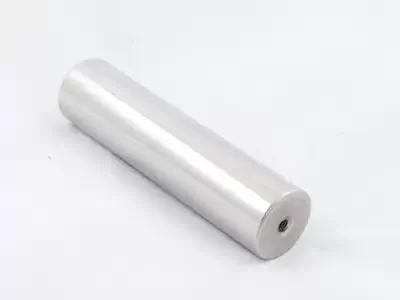
Magnetic rods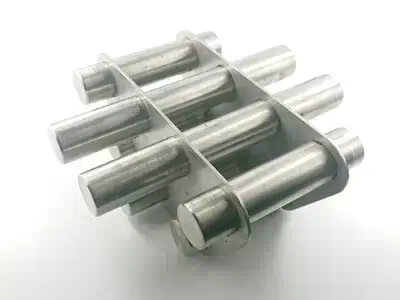
For arranging rods across the material flow. Consider flow restriction and the material's tendency to bridge.
Magnetic grates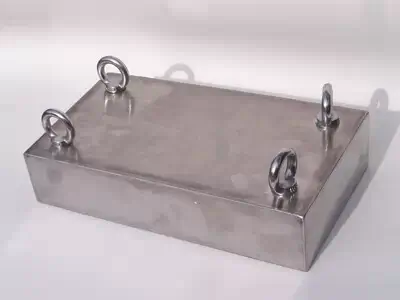
For material moving on a belt. Specify belt width, layer depth and the distance from the separator.
Magnetic beams
For checking accessible material or a sample. A sample result does not guarantee the performance of the whole line.
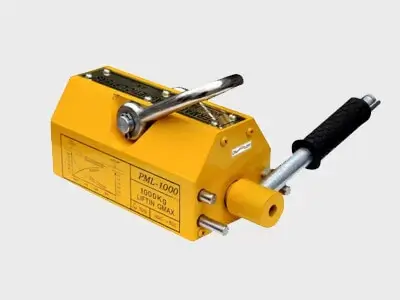
Separators with a handleMagnetic grippers move steel parts; they do not clean material. View magnetic grippers.
Choose one type and 2 to 4 different models. A comparison does not replace a trial with your actual material.
| Model | Dimensions | Mounting | Weight | Surface magnetic induction | Operating temperature | Unit price net / gross | Catalogue stock | Enquiry |
|---|---|---|---|---|---|---|---|---|
| SM 18x100 [2xM5] / N42 | diameter Ø: 18 mm; height: 100 mm | 2xM5 | 0.01 g | 5400 Gs | ≤ 80 °C | from 1 pcs: 180.00 ZŁ / 221.40 ZŁ from 15 pcs: 171.00 ZŁ / 210.33 ZŁ from 25 pcs: 162.00 ZŁ / 199.26 ZŁ |
Not specified | Ask about this model |
| SM 18x125 [2xM5] / N42 | diameter Ø: 18 mm; height: 125 mm | 2xM5 | 0.01 g | 5400 Gs | ≤ 80 °C | from 1 pcs: 225.00 ZŁ / 276.75 ZŁ from 15 pcs: 213.75 ZŁ / 262.91 ZŁ from 20 pcs: 202.50 ZŁ / 249.08 ZŁ |
Not specified | Ask about this model |
Gauss measures induction at the measuring point, not capture distance or performance in your line. Missing data is not zero. Check availability on the product page.
Ask about separator selectionInclude material, throughput, temperature and installation dimensions. You can attach one drawing or photo.
Materials from the existing guide show the magnet arrangement and where filings collect. They illustrate operation, not measured performance in your process. View the technical guide.
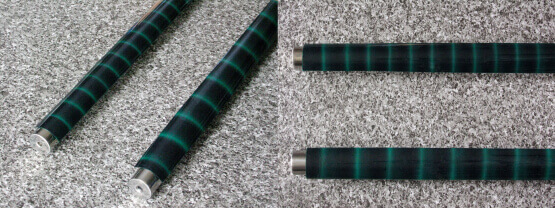
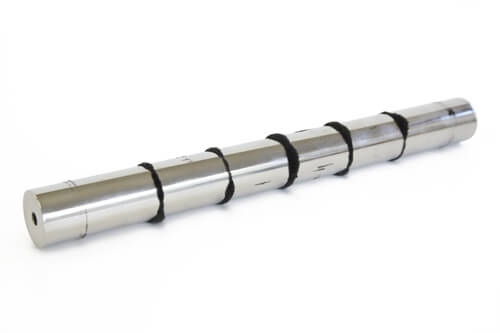
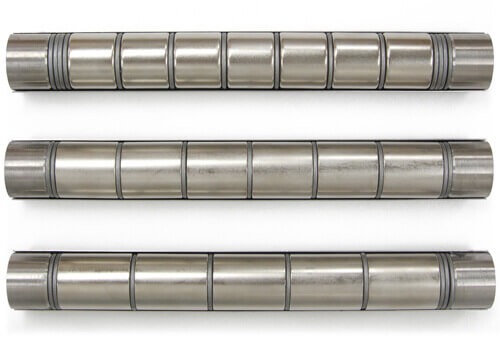
The types in this category serve different places in a production line, not simply different levels of performance. Built-in magnetic rods work inside a chute or pipe; grates and hopper filters catch contamination at a vessel inlet and can be removed for cleaning. Hand-held separators are used for spot checks rather than installed as a continuous process stage. Overband beams work above a conveyor without touching the material. Magnetic lifters serve a different purpose: moving steel parts, not separating contaminants. Start with the task before comparing specifications.
Compare the magnetic flux density at the working surface, the reach of the field, rod length and product weight. In a hand-held separator, weight affects comfort during repeated use. Match rod length to the depth of the material layer. Check the magnet grade and the steel used for the housing on the chosen product card; neither the grade nor one quoted field reading describes performance in every installation.
Rods and grates can catch ferromagnetic fragments before processing equipment. Overband beams are used where a stream of bulk material passes beneath the separator. Hand-held models can help inspect a sample or an incoming batch. The right design depends on flow speed, material depth and the contaminant being sought. Check the selected model's construction and cleaning requirements before use.
A magnetic separator captures ferromagnetic material; it will not reliably remove aluminium, copper, brass or non-magnetic stainless steel. This category does not include powered electromagnets or pressurised liquid filters. A useful recommendation requires the installation's flow rate, material depth and expected contaminant size. Ask about unusual applications before ordering rather than assuming one separator fits every process.

e-mail: bok@dhit.pl
tel: +48 888 99 98 98