
Powerful neodymium magnets: discs and cylinders

Looking for massive power in small size? We offer complete range of disc, cylindrical and ring magnets. They are ideal for domestic applications, workshop and model making. Browse assortment in stock.

see full offer

Grips for seabed exploration

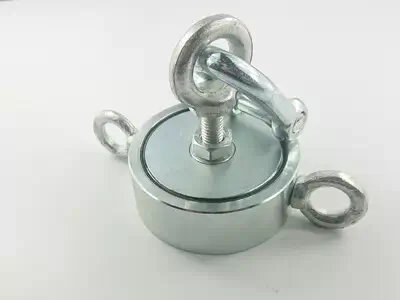
Start your adventure involving underwater treasure hunting! Our double-handle grips (F200, F400) provide grip certainty and huge lifting capacity. Solid, corrosion-resistant housing and strong lines will perform in challenging water conditions.

find searching equipment

Magnetic mounting systems

Proven solutions for fixing non-invasive. Threaded grips (external or internal) provide instant organization of work on warehouses. Perfect for installing lighting, sensors and banners.

check industrial applications

🚀 Lightning processing: orders by 14:00 shipped immediately!

Przejdź do treści
Dhit sp. z o.o.

Neodymium magnetic holders: power and application

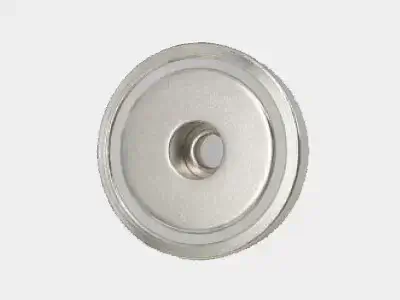
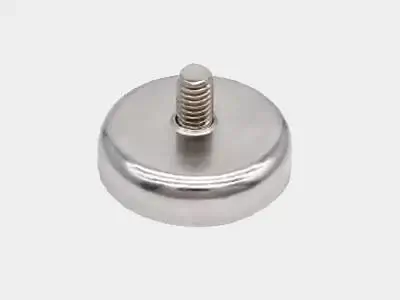
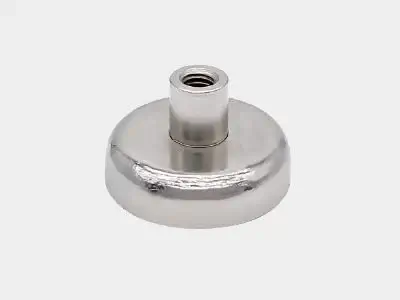
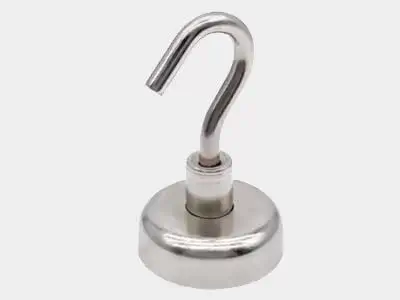
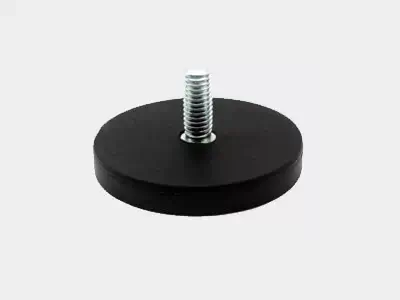
Magnetic holders allow accessories to be attached quickly to a suitable steel surface without drilling. This category includes internal and external threads, hooks, rubber-coated models and countersunk versions. Choose the connection method and account for the direction of the load. Check pull force on the selected product card and allow a margin for vertical mounting. Rubber coating can help protect paint, while hooks make items easier to hang and remove. These products are used in workshops, warehouses and industrial settings.

Which magnetic holder should I choose?

Start with the connection and load direction, then check the specifications of the individual holder. The magnet rating does not establish the strength of the whole assembly.

Choose for Check before ordering Next step
A matching screw Internal thread size and screw engagement. Internal threads
An existing threaded fixing External thread size and the mating component. External threads
Frequent hanging and removal Hook attachment and the direction of the load. Hooked holders
Painted steel Surface condition, rubber coating and the product rating. Rubber-coated holders

Types of holders: threaded, hooked, rubber-coated and countersunk

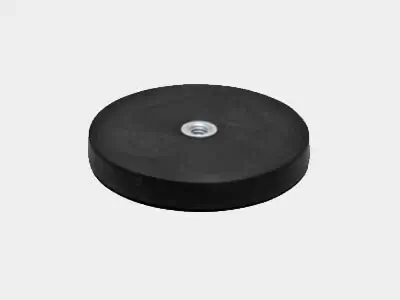
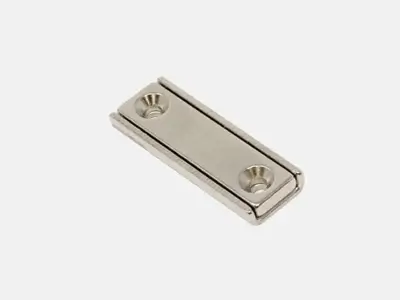
An internally threaded holder takes a screw; an externally threaded one fits a matching component. A hook makes frequently removed items easier to hang. A rubber-coated housing is useful on painted surfaces, subject to the operating conditions of the specific product. A countersunk hole seats the screw head. The range also includes through-hole, channel and fishing models. Compare diameter, thread and the way the holder joins the structure before ordering.

How to choose pull force for the load

Read the pull rating together with the measurement conditions on the product card. Steel thickness and condition, air gaps, coatings and load direction all matter. An item on a vertical wall can slide even when its perpendicular pull rating appears sufficient. Allow a margin for your use and check the limits of the screw, hook or rope as well. Where a falling item could cause harm, add mechanical protection.

Applications in warehouses, workshops and industry

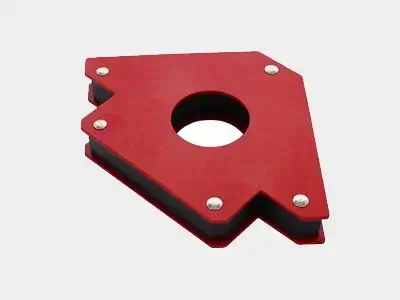
A holder can position a lamp, sensor or sign on steelwork in a workshop. A hooked model can temporarily suspend a sign or light equipment in a warehouse. Industrial selection depends on the substrate, force direction and operating conditions. Magnetic welding angles position steel parts during assembly; a channel model may suit frequently moved items. Compare each application with the specifications of the selected product.

Installation and safety

A magnetic holder is not a certified load-safety device. Do not suspend loads above people or use it for fall protection. Check the surface, joints and operating conditions, and add a mechanical safeguard where vibration or impacts are possible. For components built into equipment, see neodymium magnets; for removing contamination from material, see magnetic separators. Discuss food-contact or other special requirements individually.

The product-card rating is measured with full contact against smooth, thick steel and a perpendicular load. Thin sheet, paint, rust and air gaps lower the force. A load sliding along a vertical surface is held mainly by friction and can be much lower than the perpendicular pull rating. Allow a safety margin for vertical mounting or whenever a falling item could cause damage.

Choose a thread for a fixed connection aligned with the screw, such as a lamp, sensor or tool mount. Choose a hook for an item hung and removed repeatedly. An internal thread takes a screw, while an external thread connects to a matching part; check which version fits your existing structure.

Rubber helps protect painted or delicate surfaces and increases friction on vertical steel. It also creates a gap between the magnet and steel, reducing perpendicular pull. On unpainted workshop steel where surface marks are acceptable, a nickel-coated holder may pull harder at the same diameter. Check the selected model's specifications.

Fishing models are designed for retrieval in water and are available with one or two working faces. Compare the rated force, thread arrangement, coating and accessories on the individual product card. Dynamic pulling also places demands on the rope and attachment point; the magnet's pull rating alone does not describe the capacity of the complete set.

A one-sided model has a working face on one side and can be lighter at a similar pull rating. A double-sided model can catch on either face when dragged along an unknown bottom. For lowering a magnet vertically into a channel, a one-sided model may suffice. Check the mounting orientation of the specific product.

It can provide a removable fixing on suitable steel without drilling, for example for temporary lights or signs. Check the surface and the direction of load first. Do not treat it as a substitute for a mechanical fixing where failure could threaten health, such as a load above a walkway or personal fall protection.

No. The capacity of a complete set depends on its weakest component, not only the magnet. The thread, shackle, rope and eye each have their own limits. Compare every component's specifications and the load direction before using the set.

It positions two steel pieces at an angle during assembly, holding them until they are joined. It is useful for frames, housings and profiles when clamps would obstruct the working area. It is a positioning aid, not a certified lifting device.

Choose the holder for the specific load, substrate and working conditions. Check the product card before use and add mechanical protection where a falling item could cause harm.

Dhit sp. z o.o.

e-mail: bok@dhit.pl

tel: +48 888 99 98 98