

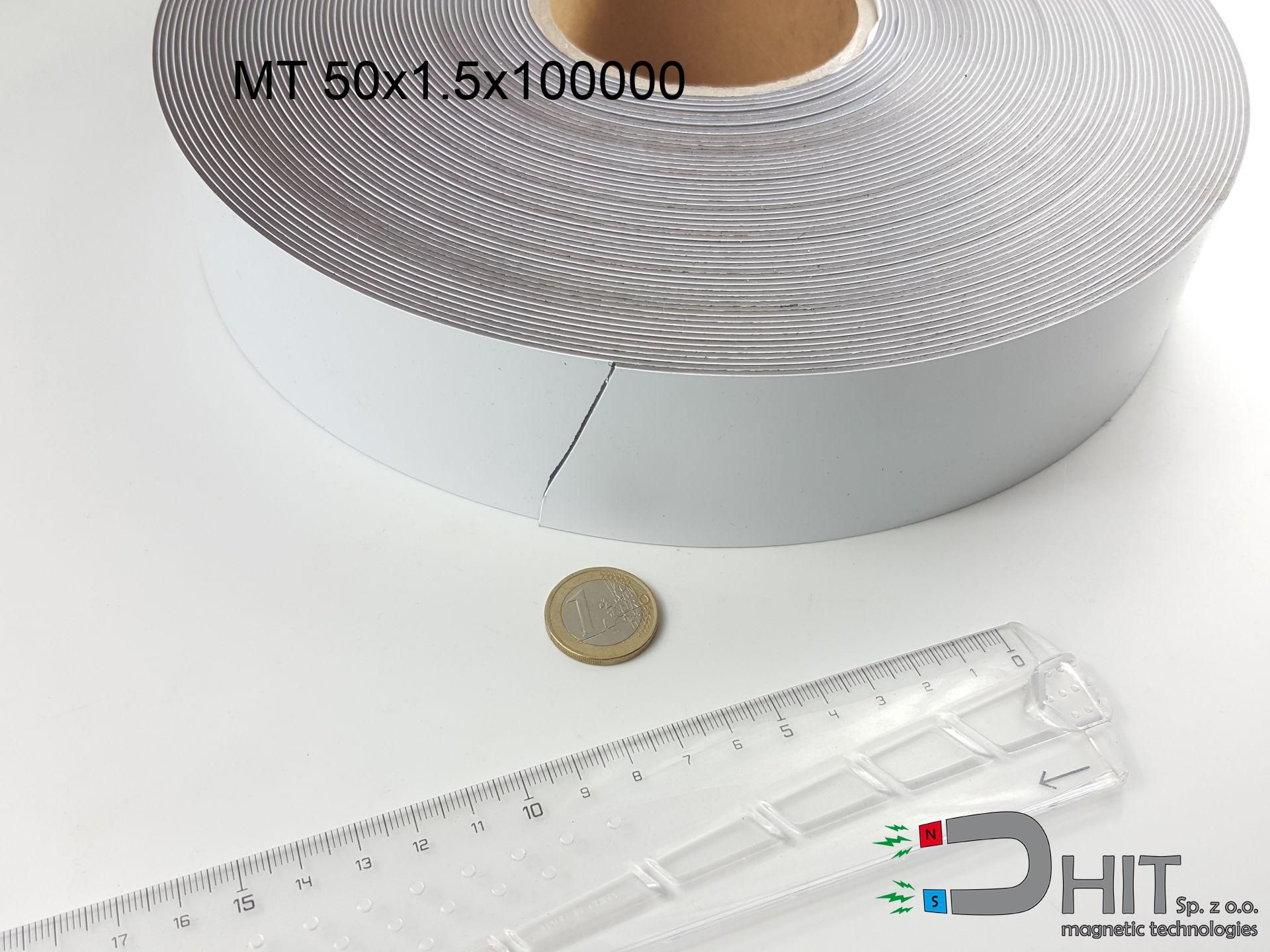
MT 50x1.5x100000 - magnetic tape
magnetic tape
Catalog no 380512
GTIN/EAN: 5906301815174
- length
- 50 mm [±1 mm]
- Width
- 1.5 mm [±1 mm]
- Height
- 100000 mm [±1 mm]
How we measure these parameters — certificates and measurements
700.00 zł net / pcs
861.00 zł with VAT (23% VAT) / pcs
bulk discounts:
Need more?Frequently asked questions
Where can I find accessories for mounting magnets?
Can I find a technical magnet with a documented pull rating?
Where can I find magnets for a higher operating temperature?
When does an N52 magnet make sense in demanding conditions?
Guides from the knowledge base
Call us now
+48 888 99 98 98
alternatively let us know using
contact form
the contact section.
Specifications and structure of a neodymium magnet can be estimated using our
power calculator.
Order by 14:00 and we’ll ship today!
Technical - MT 50x1.5x100000 - magnetic tape
Specification / characteristics - MT 50x1.5x100000 - magnetic tape
| properties | values |
|---|---|
| Cat. no. | 380512 |
| GTIN/EAN | 5906301815174 |
| Production/Distribution | Dhit sp. z o.o. |
| Country of origin | Poland / China / Germany |
| Customs code | 85059029 |
| length | 50 mm [±1 mm] |
| Width | 1.5 mm [±1 mm] |
| Height | 100000 mm [±1 mm] |
| Manufacturing Tolerance | ±1 mm |
Physical properties of sintered neodymium magnets Nd2Fe14B at 20°C
| properties | values | units |
|---|---|---|
| Vickers hardness | ≥550 | Hv |
| Density | ≥7.4 | g/cm3 |
| Curie Temperature TC | 310 | °C |
| Curie Temperature TF | 590 | °F |
| Specific resistance | 150 | μΩ⋅cm |
| Bending strength | 250 | MPa |
| Compressive strength | 1000~1100 | MPa |
| Thermal expansion parallel (∥) to orientation (M) | (3-4) x 10-6 | °C-1 |
| Thermal expansion perpendicular (⊥) to orientation (M) | -(1-3) x 10-6 | °C-1 |
| Young's modulus | 1.7 x 10⁴ | kg/mm² |
Material specification
| iron (Fe) | 64% – 68% |
| neodymium (Nd) | 29% – 32% |
| boron (B) | 1.1% – 1.2% |
| dysprosium (Dy) | 0.5% – 2.0% |
| coating (Ni-Cu-Ni) | < 0.05% |
Environmental data
| recyclability (EoL) | 100% |
| recycled raw materials | ~10% (pre-cons) |
| carbon footprint | low / zredukowany |
| waste code (EWC) | 16 02 16 |
Check out more offers
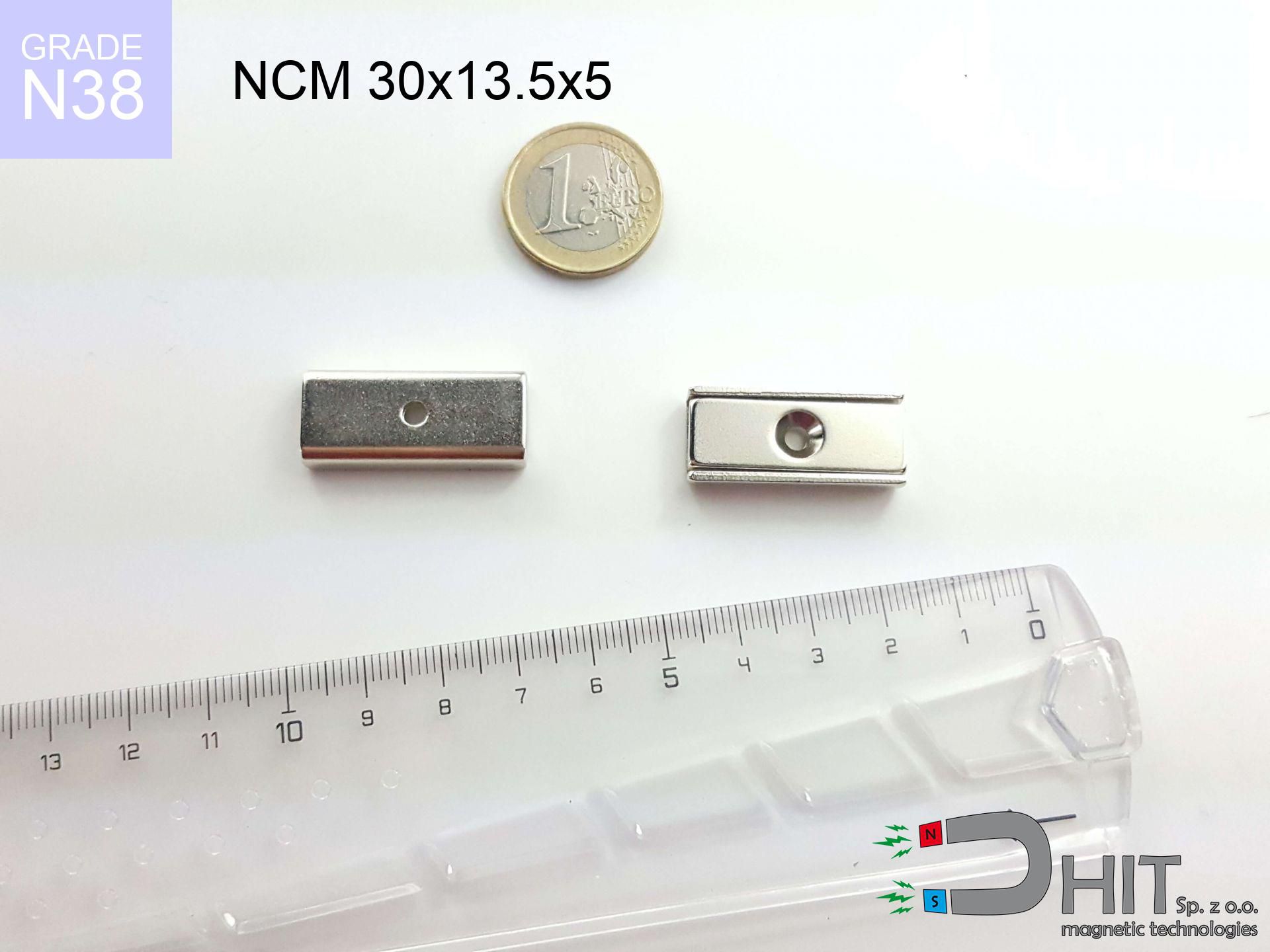
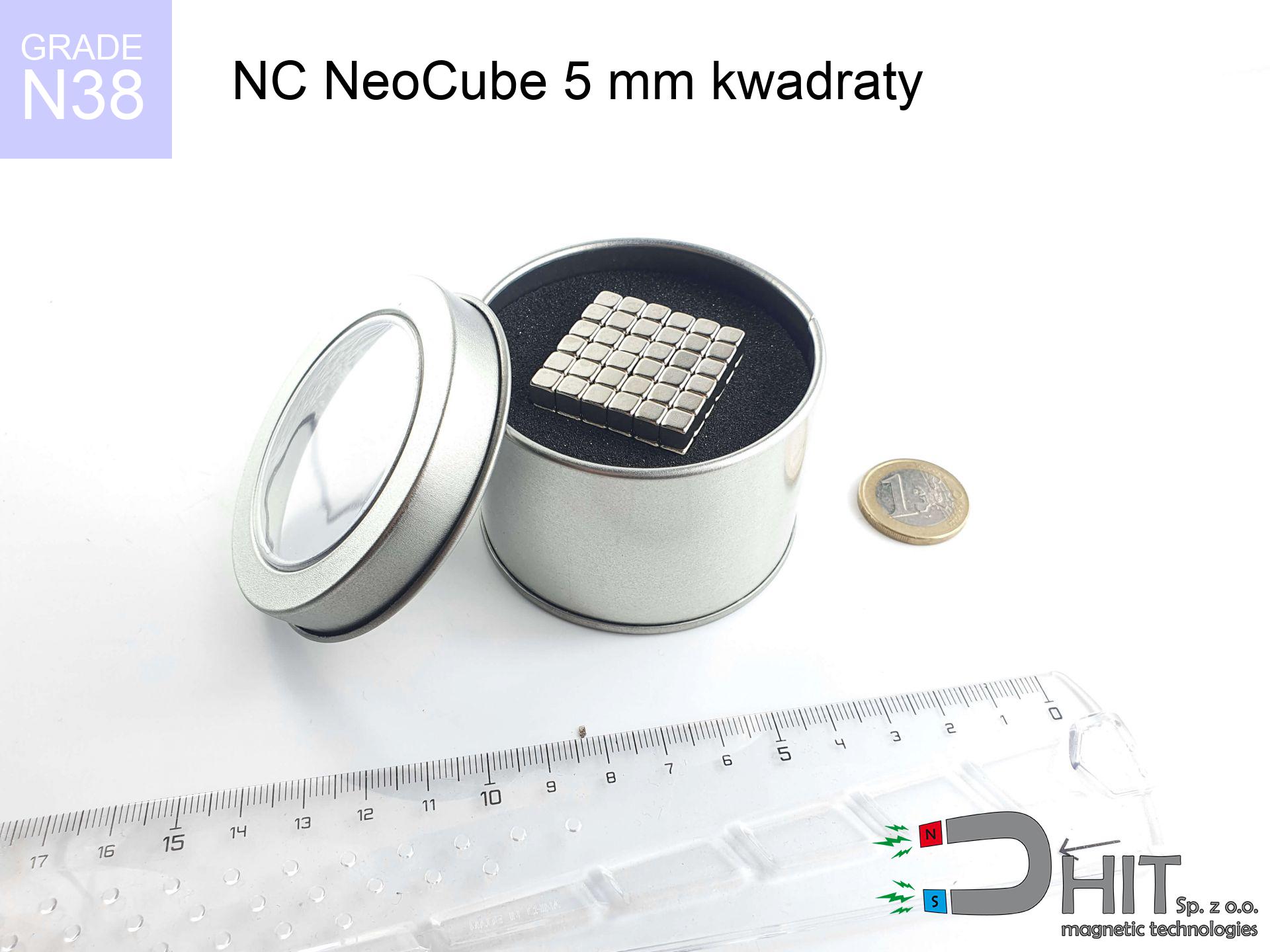
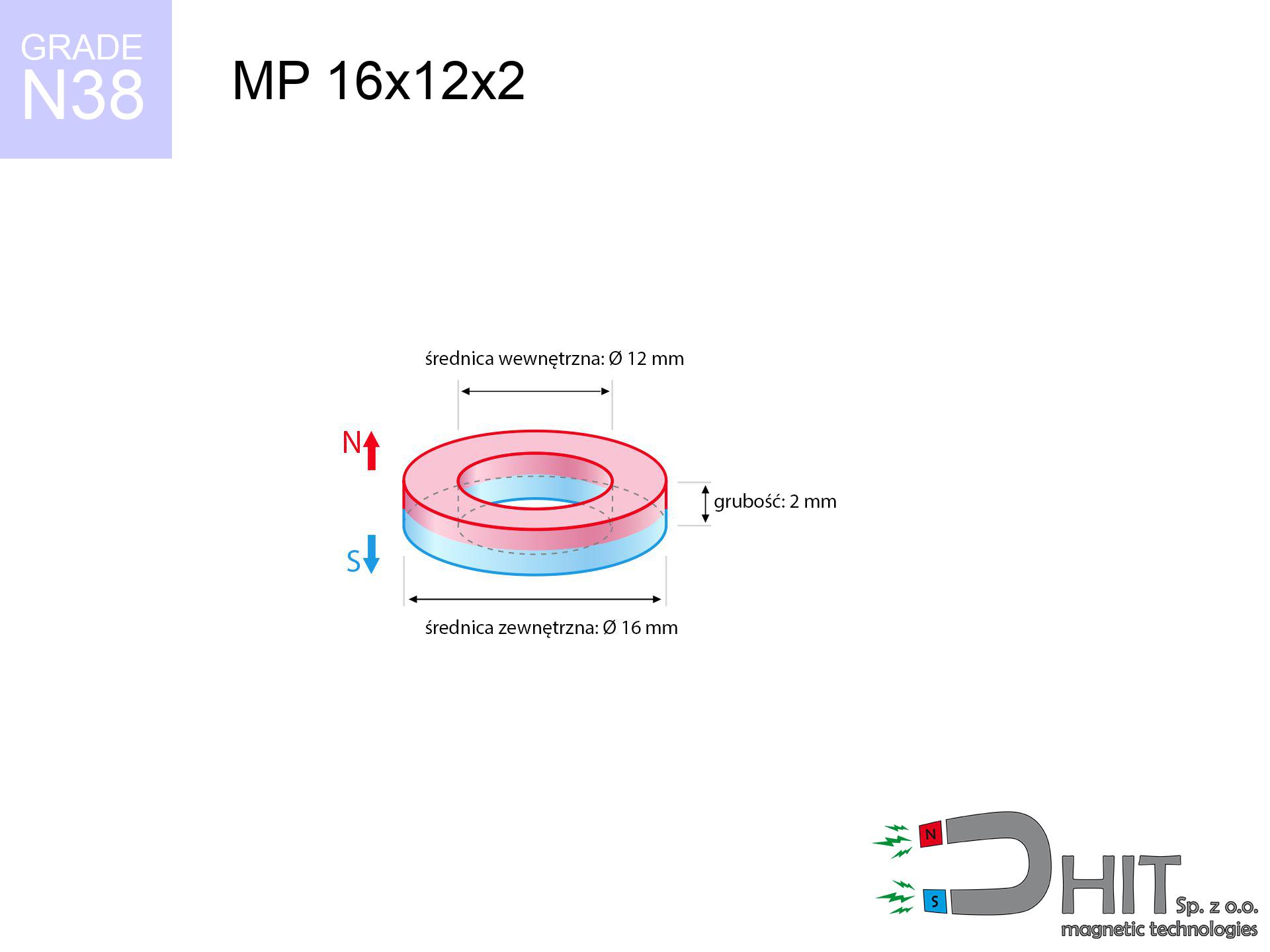

Advantages as well as disadvantages of rare earth magnets.
Pros
- They retain attractive force for nearly 10 years – the drop is just ~1% (in theory),
- They retain their magnetic properties even under strong external field,
- A magnet with a smooth nickel surface looks better,
- Neodymium magnets ensure maximum magnetic induction on a contact point, which ensures high operational effectiveness,
- Thanks to resistance to high temperature, they are capable of working (depending on the form) even at temperatures up to 230°C and higher...
- In view of the ability of flexible shaping and customization to custom requirements, magnetic components can be created in a broad palette of shapes and sizes, which makes them more universal,
- Key role in modern industrial fields – they are used in computer drives, electric drive systems, medical devices, as well as complex engineering applications.
- Relatively small size with high pulling force – neodymium magnets offer high power in tiny dimensions, which allows their use in compact constructions
Disadvantages
- At strong impacts they can crack, therefore we recommend placing them in strong housings. A metal housing provides additional protection against damage and increases the magnet's durability.
- Heat sensitivity: observe the temperature specified for this product. Overheating may permanently weaken the magnet.
- When exposed to humidity, magnets usually rust. For applications outside, it is recommended to use protective magnets, such as those in rubber or plastics, which prevent oxidation and corrosion.
- We suggest a housing - magnetic mount, due to difficulties in creating nuts inside the magnet and complex forms.
- Health risk related to microscopic parts of magnets can be dangerous, if swallowed, which becomes key in the context of child health protection. Additionally, small elements of these products can disrupt the diagnostic process medical in case of swallowing.
- Higher cost of purchase is one of the disadvantages compared to ceramic magnets, especially in budget applications
Lifting parameters
Detachment force of the magnet in optimal conditions – what contributes to it?
- on a base made of mild steel, optimally conducting the magnetic flux
- with a cross-section of at least 10 mm
- with a surface cleaned and smooth
- under conditions of gap-free contact (metal-to-metal)
- under axial force direction (90-degree angle)
- at room temperature
What influences lifting capacity in practice
- Space between magnet and steel – every millimeter of distance (caused e.g. by varnish or dirt) significantly weakens the pulling force, often by half at just 0.5 mm.
- Force direction – declared lifting capacity refers to detachment vertically. When attempting to slide, the magnet holds significantly lower power (often approx. 20-30% of maximum force).
- Wall thickness – the thinner the sheet, the weaker the hold. Part of the magnetic field penetrates through instead of generating force.
- Steel grade – ideal substrate is high-permeability steel. Hardened steels may generate lower lifting capacity.
- Surface structure – the more even the plate, the better the adhesion and higher the lifting capacity. Unevenness acts like micro-gaps.
- Thermal conditions – NdFeB sinters have a sensitivity to temperature. When it is hot they are weaker, and at low temperatures gain strength (up to a certain limit).
Holding force was measured on a smooth steel plate of 20 mm thickness, when a perpendicular force was applied, however under shearing force the load capacity is reduced by as much as 75%. Additionally, even a minimal clearance between the magnet’s surface and the plate decreases the holding force.
Warnings
Pacemakers
For implant holders: Strong magnetic fields affect electronics. Maintain minimum 30 cm distance or request help to handle the magnets.
Phone sensors
Note: rare earth magnets generate a field that disrupts sensitive sensors. Maintain a separation from your phone, tablet, and navigation systems.
Keep away from computers
Do not bring magnets close to a wallet, laptop, or TV. The magnetism can destroy these devices and wipe information from cards.
Fire risk
Combustion risk: Rare earth powder is highly flammable. Avoid machining magnets in home conditions as this risks ignition.
Power loss in heat
Standard neodymium magnets (grade N) lose power when the temperature exceeds 80°C. Damage is permanent.
Conscious usage
Handle magnets consciously. Their immense force can surprise even professionals. Be vigilant and respect their power.
Magnet fragility
Watch out for shards. Magnets can explode upon violent connection, launching sharp fragments into the air. Wear goggles.
Do not give to children
Adult use only. Tiny parts can be swallowed, causing serious injuries. Store away from children and animals.
Hand protection
Large magnets can smash fingers in a fraction of a second. Under no circumstances place your hand between two attracting surfaces.
Metal Allergy
Allergy Notice: The Ni-Cu-Ni coating contains nickel. If redness appears, cease working with magnets and use protective gear.
Tabela kosztu i czasu dostawy
Płatność przed wysyłką:

GLS kurier
Przesyłka będzie u Ciebie za 2-3 dni
14.99 ZŁ

InPost Paczkomaty 24/7
Przesyłka będzie u Ciebie za 1-2 dni
12.30 ZŁ
Płatność przy odbiorze (pobranie):
GLS kurier
Przesyłka będzie u Ciebie za 1-2 dni
23.00 ZŁ