

War with Iran and REE Supply Chain – What Threatens Neodymium Magnets in 2026?
As a direct distributor of neodymium magnets, we offer solutions tailored to various applications – from hobby to industry. March 2026 brought a dramatic escalation of the conflict with Iran, with the blockade of the Strait of Hormuz paralyzing 20% of global oil and LNG trade. Iran, although not an REE giant, possesses significant monazite and lithium deposits, integrating with the Chinese-Russian resource bloc under 'Resistance Economy'. This disrupts global supply chains of rare earth elements (REE) like neodymium, dysprosium, and terbium, key for NdFeB neodymium magnets in electronics, EV, and defense. In this article, we analyze Iran's role in the REE market, effects of the Hormuz blockade, price forecasts for 2026, risks for supply chain, and implications for industry. Based on USGS and IEA reports, we discuss actual data on deposits in Yazd and Hamadan, conflict scenarios, and mitigation strategies. Is this the end of cheap neodymium? We invite you to a thorough analysis.
Everyday applications
REE Deposits in Iran: Monazite, Lithium, and Their Geopolitical Significance
Iran possesses estimated 8.5 million tons of REE and lithium deposits, mainly monazite in Yazd province (source of neodymium, dysprosium, and terbium) and lithium in Hamadan. Production is limited, but in 2025, a monazite processing plant in Abbas Abad was launched, based on domestic technology. This is part of 'Resistance Economy' – a self-sufficiency strategy that links Iran with China (importer of Iranian oil) and Russia in the Eurasian supply chain. Iran exports minor amounts of strontium and DRI, but its deposits make it a potential hub for EV batteries and REE. Sanctions limit development, but alliances with Beijing allow bypassing the West – China processes 90% of global REE, and Iran supplies raw materials.
According to USGS (2023), Iran ranks 2nd in strontium production and has potential in lithium hectorite. Geopolitically, this is a 'weapon' – the 2023 lithium discovery in Hamadan (8.5 million tons) positioned Iran as a rival to 'Lithium Triangle' in South America. The war disrupts exports, increasing prices by 10-20%. For neodymium magnets, dependent on neodymium, this is a risk of shortages in electronics and defense.
| Deposit in Iran | Main Elements | Est. Reserves (mln tons) | Status |
|---|---|---|---|
| Monazite in Yazd | Neodymium, dysprosium, terbium | 5 | Processing plant launched 2025 |
| Lithium (hectorite) in Hamadan | Lithium | 3.5 | Discovery 2023, exploration |
| Strontium in DRI | Strontium | 0.5 | Minor production |
| Mining Waste | Various REE | Unknown | Recycling in 'Resistance Economy' |
Strait of Hormuz Blockade: Effects on Global REE Transport
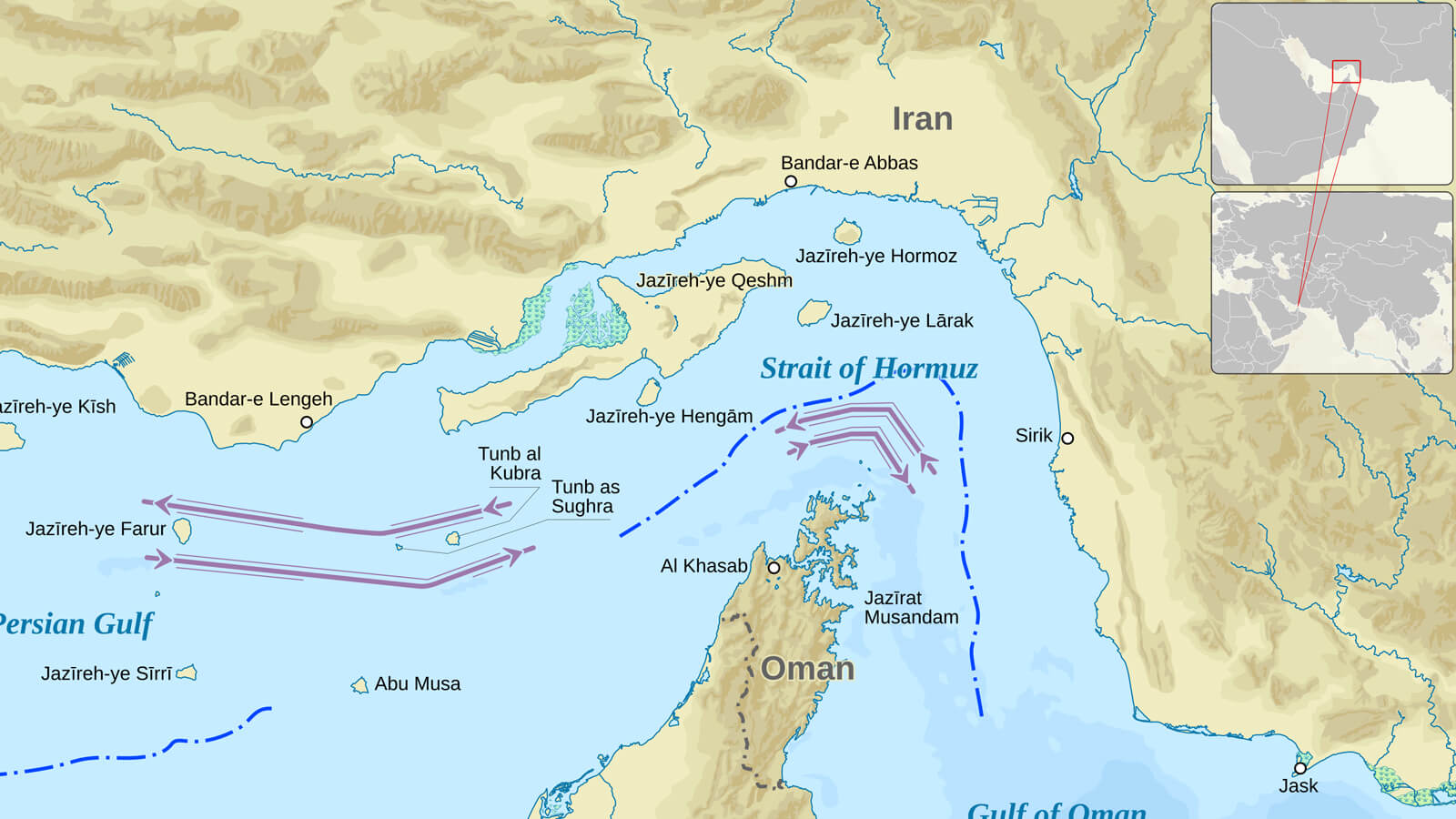
The Strait of Hormuz is a chokepoint for 20% of global oil and 30% LNG, but it also affects REE freight – 90% of exports from China to Europe go by sea. The blockade (from February 2026) increases insurance costs and rerouting via Africa by 20-50%, adding 1-2 month delays. This paralyzes supplies of neodymium and dysprosium, key for NdFeB. Short conflict (1-4 weeks): +5-10% REE prices due to temporary shortages; longer (>4 weeks): structural cut-offs, defense demand increase by 30%. Historically (2020 crisis), methanol and neon (from Iran) rose by 20%, affecting PV and semiconductors.
For dhit.pl, this is a challenge – freight increase from Asia by 10-20% means longer lead times. We recommend reserves: our custom neodymium magnets with delivery guarantee help mitigate risks.
| Blockade Scenario | Impact on REE Prices | Impact on Global Freight | Risk for NdFeB |
|---|---|---|---|
| Short (1-4 weeks) | +5-10%, temporary | +10%, 1 month delays | Shortages in EV and RES |
| Long (>4 weeks) | +15-30%, structural | +20-50%, rerouting | Defense demand increase |
| Escalation with Allies | +20-40%, sanctions | Global cut-offs | Supply chain paralysis |
| Deescalation | Stabilization after 3-6 months | Normalization | Opportunity for cheaper REE |
REE and Neodymium Magnets Price Forecasts in 2026
Based on USGS and IEA, the Hormuz blockade may increase neodymium prices to 120-140 USD/kg in Q2 2026 (+15%), dysprosium to 450-500 USD/kg. Neodymium becomes 'strategic gold' in guidance systems and EV (1-2 kg per motor). Forecast: REE demand increase by 20% due to conflicts, but shortages delay projects. Fun fact: Iran exports methanol (impact on REE chemicals), increasing costs by 20%. Long-term: if conflict >6 months, prices +20%, but recycling (e.g., from e-waste) may mitigate by 2028.
At dhit.pl, we monitor the market, offering neodymium magnets from alternative sources.
Global Challenges for the REE Market in the Face of Conflict
The war highlights chain fragility – China (90% processing) loses cheap oil from Iran, increasing costs. Risks: sanctions on Iran cut off deposits, alliances with Russia expand conflict. For EV (Net Zero goals) and defense, this is a threat. Solutions: accelerate recycling (cover 20% demand) and exploration in Africa/Australia. For dhit.pl, this is an opportunity for custom solutions resistant to disruptions.
Globally: Japan invests in seabed, but war shows need for reserves – REE prices +25% to 2030 without changes.
Summary: REE Fragility in the Shadow of War with Iran
Conflict with Iran exposes risks for REE – time for reserves.
Questions and Answers
It increases freight costs by 10-20%, in short conflict +5-10%, in long +15-30%.
Monazite in Yazd (neodymium, dysprosium), lithium in Hamadan – 8.5 mln tons, integrated with China.
Increase in neodymium prices by 15%, disruptions in EV and RES due to shortages.
Delays 1-2 months, cost increase +20-50%, sanctions on deposits.
Source:
Tags:
niedziela 2026-03-15T12:00:00